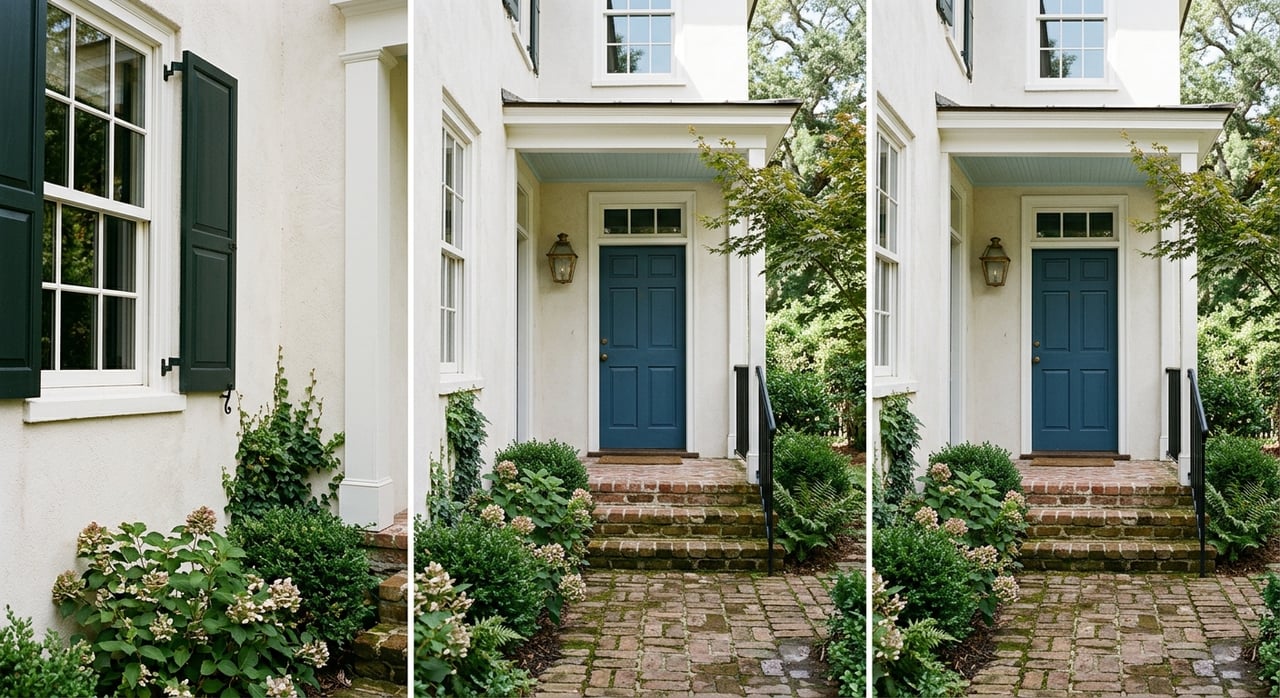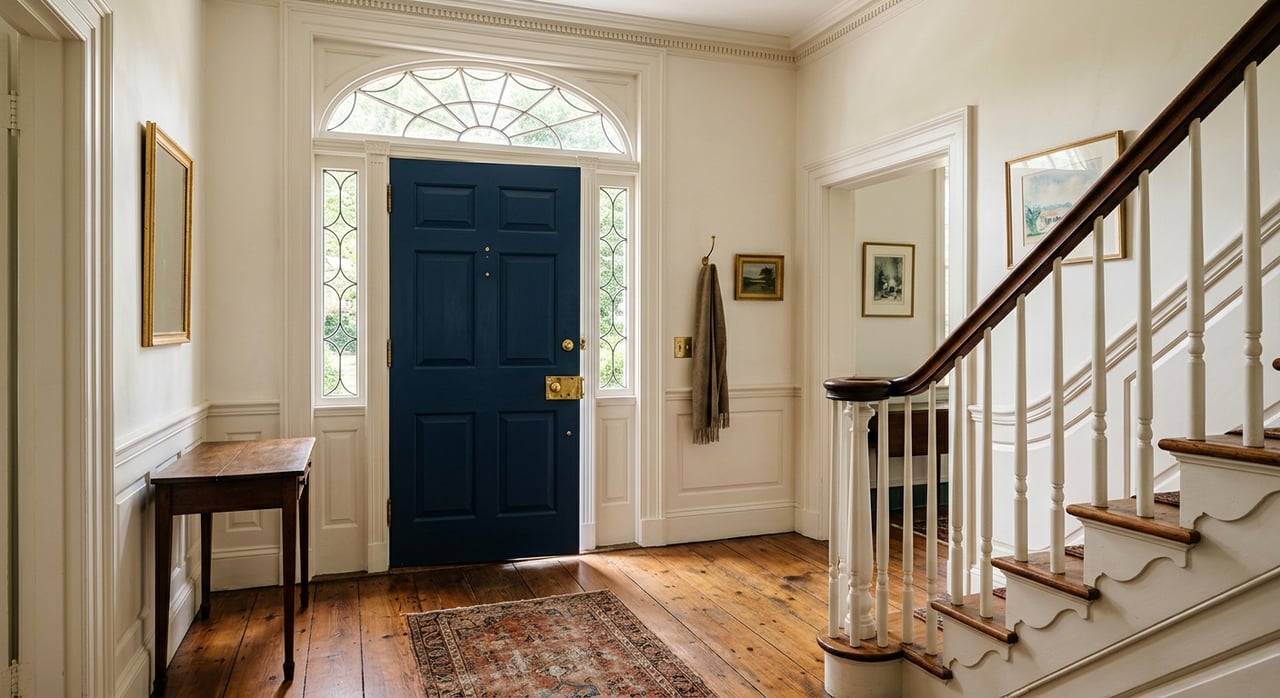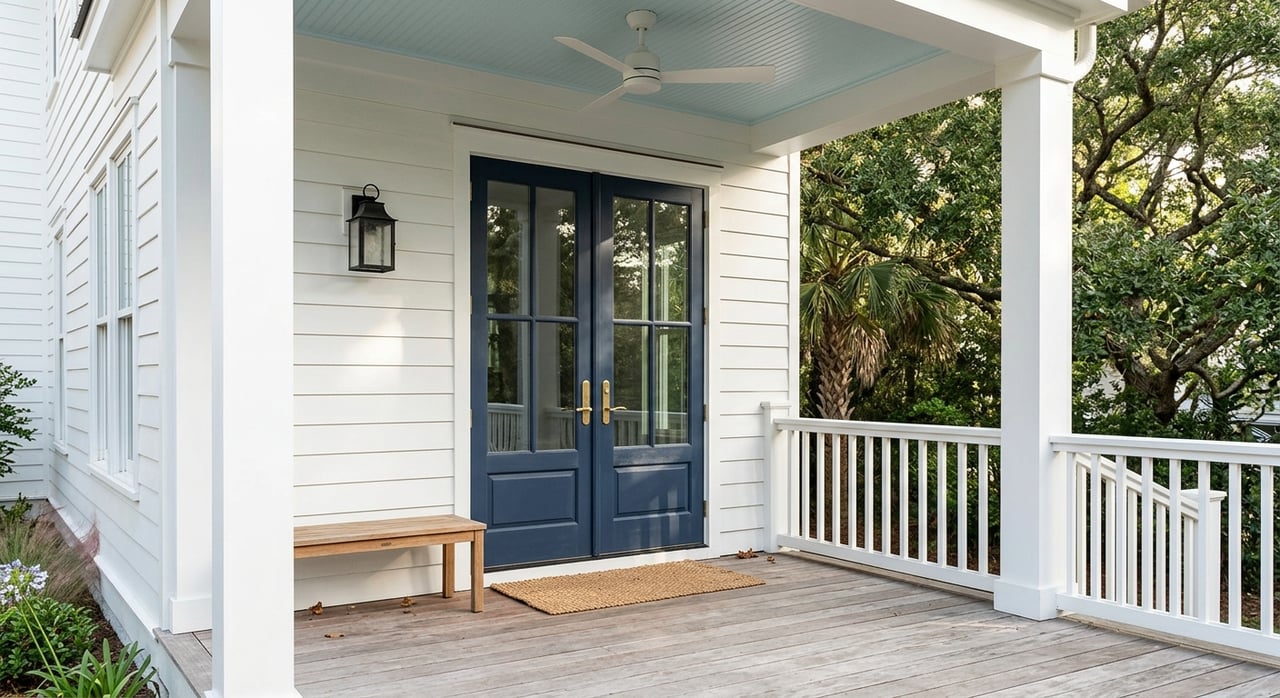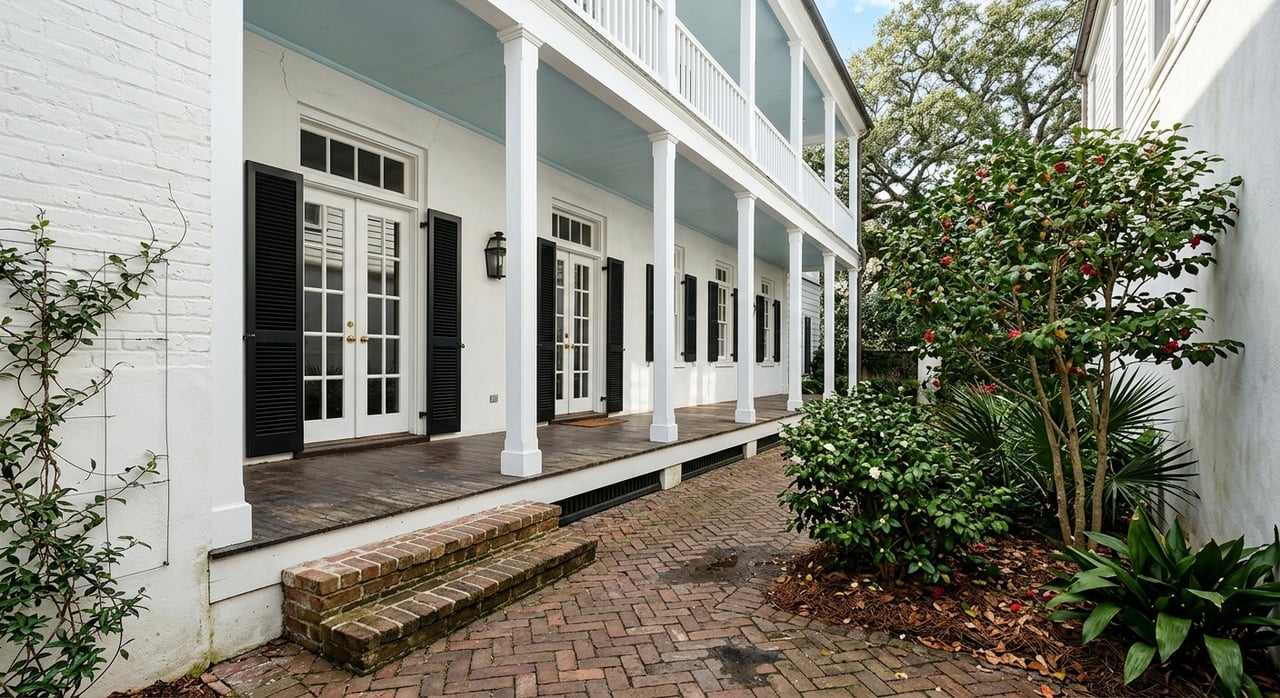
You can fall in love with a Charleston single house in seconds, but living in one is about much more than curb appeal. If you are drawn to Charleston’s historic character, piazzas, and narrow street-facing facades, it helps to understand how these homes actually function day to day. This guide will walk you through what makes a Charleston single house unique, what daily life can feel like, and what to think about before you buy. Let’s dive in.
What Is a Charleston Single House?
A Charleston single house is a historic home form that is usually two or more stories tall and built on a rectangular plan with its narrow end facing the street. Traditionally, the layout places two rooms on each floor with a central stair hall between them. The piazzas run along the long side of the house, facing the interior of the lot, and the chimneys are usually positioned toward the rear.
This design emerged in the early eighteenth century and became especially common after the 1740 fire. Historians connect the form to Charleston’s hot, humid climate, limited urban lot width, and possibly fire protection concerns. In simple terms, these homes were shaped by the realities of peninsula living from the very beginning.
Why the Design Still Works
One of the most appealing parts of a Charleston single house is how intentionally it was designed. The narrow profile and side piazza helped capture breezes, while the home’s orientation pulled daily life away from the street and toward the side garden and rear of the property. That design still matters today, especially if you value privacy and outdoor-to-indoor flow.
The house often feels different from a newer open-concept property. Instead of one large shared living zone, you are more likely to have distinct rooms, more vertical separation, and a stronger sense of transition from one area to another. For many buyers, that is part of the charm.
Piazzas Add Everyday Living Space
The piazza is not just a pretty architectural detail. It is a core part of how the house lives, offering shade and airflow in Charleston’s climate. If you picture morning coffee, evening conversation, or a quiet spot tucked off the street, this feature is often central to the experience.
Rooms Feel More Defined
The traditional plan creates a more compartmentalized layout than many modern homes. Formal spaces tend to sit closer to the street, while more practical daily activity shifts toward the rear and side of the lot. That can feel elegant and functional, but it also means your daily routine may be less open-plan and more room-to-room.
What Daily Life Feels Like
Living in a Charleston single house often means living with stairs, separate spaces, and older construction quirks. Preserved historic houses in Charleston show that uneven flooring and stair-heavy layouts are part of the historic-house experience. If you are coming from a newer home, that lifestyle shift is worth thinking through early.
You may find that the house encourages a slower, more intentional rhythm. Front rooms can feel more formal, while the rear and side areas support the practical flow of everyday life. In many cases, the lot itself also plays a bigger role in how you use the property.
Outdoor Areas Matter More
Historically, Charleston domestic compounds often included kitchens, laundries, carriage houses, stables, privies, wells, cisterns, work yards, and gardens. Those spaces were central to daily life. In larger historic properties, service areas were also places where enslaved workers lived and labored, which is an important part of the city’s history.
For today’s buyer, the takeaway is that the lot design matters almost as much as the house itself. Side yards, rear gardens, and accessory structures can shape storage, entertaining, privacy, and maintenance in a way that feels very different from a standard suburban lot.
Summer Comfort in a Historic House
Many buyers ask whether a Charleston single house stays comfortable in summer. The original form was designed to promote shade and airflow, which is one reason the piazza and narrow orientation matter so much. That said, modern comfort still depends on the home’s current HVAC, insulation, and weatherization.
In other words, the architecture gives you a smart starting point, but the condition of the systems matters in real life. If you are shopping for one of these homes, it is wise to look closely at how the property has been updated for present-day living.
Walkability on the Charleston Peninsula
A Charleston single house is part of a broader urban pattern, not a standalone architectural story. The City of Charleston’s bicycle and pedestrian planning treats walking and biking access as an important part of the street network. The city says it should aim for every residence to be within a half-mile of a dedicated bike or bike-ped facility.
For many peninsula residents, that supports a daily routine built around walking, biking, and short urban trips. Depending on the exact street and district, you may find that errands, dining, and everyday movement feel more connected and less car-dependent than in newer suburban areas.
Preservation Rules Shape Ownership
Owning a historic home in Charleston comes with responsibilities as well as rewards. The Charleston Historic District is a National Historic Landmark District, and the city created the first preservation ordinance in the United States in 1931. Today, the Board of Architectural Review, often called BAR, reviews new construction, visible alterations and renovations, and certain demolitions within historic districts.
That means exterior changes visible from the public right-of-way are not casual decisions. Minor work is often handled by staff review, but buyers should go in understanding that preserving a historic house in Charleston involves a real regulatory process.
Can You Change the Exterior?
Usually, yes, but the answer depends on what you want to do and where the home is located. In Charleston’s historic districts, visible exterior work is subject to BAR review. If you are thinking about repainting, altering details, or making larger exterior updates, you will want to understand that process before you buy.
Flooding Is Part of the Conversation
Flooding is a practical reality on the peninsula, and it should be part of any serious buying decision. The city says average high tide in Charleston is about 5.5 feet, king tides may reach 7 feet or higher, and NOAA’s local high-tide flooding threshold is 7.6 feet MLLW. The city also reports 13 inches of sea-level rise over the past 100 years and says flooding is happening more frequently than before.
This affects more than insurance planning. In the Special Flood Hazard Area, the city requires permits for work that some owners might not think of as major, including painting, interior finishes, and storm-damage repairs. That is why flood-zone review and permit awareness should be part of your due diligence from day one.
Resilience Work Is Ongoing
Charleston continues to invest in resilience efforts on the peninsula. The city’s Low Battery restoration, completed in February 2026, included major drainage improvements designed to reduce tidal flooding and stormwater problems. For buyers, that is a reminder that flood management in Charleston is active, local, and evolving.
Historic Districts Feel Different
Not every Charleston single house offers the same day-to-day experience. Charleston’s planning documents describe the Lower Peninsula as a mix of very urban and very historic settings, with a range of street patterns, lot sizes, and rhythms of daily life. That means the feel of the house is tied closely to the exact district and block.
South of Broad
South of Broad is often the most formal expression of the single-house story. The city’s preservation plan describes gracious homes and intimate alleys in this part of the peninsula. For many buyers, that suggests a quieter and more residential atmosphere, though the exact feel still depends on the street.
Harleston Village
Harleston Village has a different rhythm. The College of Charleston sits there, and the city’s preservation plan notes a mix of historic houses adapted for academic use, larger post-1970 buildings, and neighborhood parking pressures. That gives the area a more institutional and mixed-use feel than some blocks farther south.
Ansonborough and Other Historic Areas
Ansonborough offers another contrast. City planning materials identify it as Charleston’s first suburb, developed in 1747 and established by the 1760s as a middle-class neighborhood. The city also groups Ansonborough, the French Quarter, Charlestowne, and Harleston Village as distinct areas within the Lower Peninsula’s historic core.
The French Quarter and Battery areas are often associated with some of Charleston’s most visible landmarks and historic identity. In practical terms, that can mean a more publicly visible setting than a quieter residential block, though much depends on the exact property location.
Is a Charleston Single House Right for You?
If you love architecture, character, and a home that feels deeply tied to Charleston’s history, a single house can be incredibly rewarding. You may enjoy the privacy of the side piazza, the rhythm of defined rooms, and the connection to walkable peninsula living. You also need to be comfortable with stairs, preservation review, and the realities of owning in a flood-aware historic city.
The right fit comes down to matching the romance of the architecture with the realities of ownership. When you understand both sides, you can buy with much more confidence.
If you are considering a historic Charleston home, working with someone who understands the peninsula’s architecture, preservation landscape, and block-by-block differences can make the process much smoother. Nora Delyra offers warm, knowledgeable guidance for buyers who want a thoughtful approach to Charleston real estate.
FAQs
What is a Charleston single house in Charleston, SC?
- A Charleston single house is a historic home type with a narrow end facing the street, piazzas along the side, and a traditional floor plan with two rooms per floor separated by a central stair hall.
Are Charleston single houses comfortable during summer?
- They were designed to encourage shade and airflow, but modern comfort also depends on the home’s HVAC, insulation, and overall weatherization.
Can you renovate a Charleston single house exterior in Charleston?
- Yes, in many cases, but exterior work visible from the public right-of-way in Charleston’s historic districts is generally subject to Board of Architectural Review review.
Does flooding affect living in a Charleston single house?
- Yes, flooding is a real part of peninsula ownership, and buyers should review flood-zone status and local permit requirements before planning repairs or renovations.
Is living in a Charleston single house walkable?
- Many peninsula locations support a walkable lifestyle, and the city’s planning framework prioritizes pedestrian and bicycle access as part of the street network.
Do Charleston single houses all feel the same across the peninsula?
- No, the experience varies by district and street, with areas like South of Broad, Harleston Village, Ansonborough, the French Quarter, and the Battery offering different urban and historic settings.