If you own a historic home in Charleston, you already know it is not sold the same way as a newer property. Buyers are not just looking at square footage and finishes. They are also paying attention to preservation details, visible condition, and whether any past or future work may need city approval. When you understand those moving parts before you list, you can price smarter, market more clearly, and avoid costly surprises. Let’s dive in.
Start With Charleston’s Approval Process
Before you make exterior updates, it helps to confirm what the City of Charleston may review. In Charleston’s historic districts, the Board of Architectural Review, often called BAR, reviews exterior work visible from the public right-of-way. It also reviews demolitions of older structures in the districts it governs.
For many sellers, this matters most during pre-listing prep. A simple punch list can become more complicated if the work involves visible exterior changes. The city notes that many minor items, such as painting and small repairs, are often handled by staff rather than the full board, but some homes require a higher level of review.
Why Category Matters
If your home is classified as a Category 1 or Category 2 building, even changes that seem small may need board review. The city says that can include items like paint color or storm windows. Some work, such as certain paint, roof, in-kind window, or minor wood-rot repairs, may qualify for quicker staff review.
That is why approval should come before design decisions. If you plan improvements without checking the review path first, you may spend time and money on work that does not support your sale timeline.
Easements and Covenants Can Add Another Step
Some historic properties have a preservation easement or covenant. If yours does, Historic Charleston Foundation or the Preservation Society may need to approve work before the city will. That extra step can affect both your prep schedule and how you present the home to buyers.
If there is an easement or covenant in place, it should be handled carefully during the listing process. It can affect future alterations, and buyers need clear, accurate information.
Focus on the Exterior Items Buyers Notice First
In Charleston, buyers often zero in on the same exterior features the city pays close attention to. That usually means roofs, windows, porches or piazzas, masonry, stucco, gutters, chimneys, and visible mechanical equipment. These details shape first impressions and often come up during negotiations.
Historic homes carry character, but they also require honest presentation. If an important exterior element needs work, buyers may factor in both the repair cost and the approval process.
Roofs and Windows Matter More Than You Think
Charleston’s preservation guidance favors repair over replacement and in-kind materials when replacement is unavoidable. For roofs, the city says historic roofs should generally be repaired with like materials. It also treats asphalt shingles and V-crimp metal as inappropriate on historic buildings.
Windows are another major point of attention. The city prefers repair when possible and expects in-kind replacement when necessary. Vinyl, aluminum, and simulated divided-lite replacement windows are not accepted on historic residences under the city’s guidance.
For sellers, that means a window issue is rarely just a window issue. Buyers may see it as a preservation, cost, and timeline issue all at once.
Paint, Brick, and Stucco Need Care
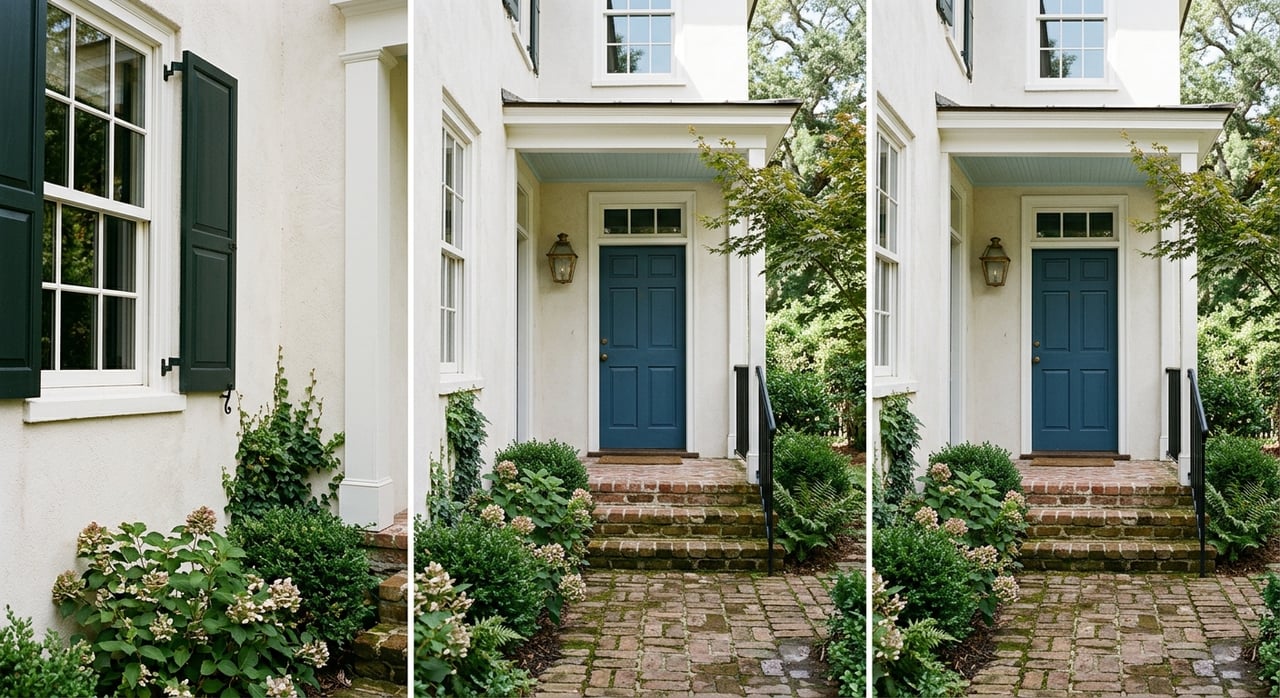
Paint can also become a pressure point before listing. Charleston discourages coating unpainted brick or stucco, which means a quick cosmetic update may not be the right move for a historic property.
There is also a practical safety issue with older homes. The EPA notes that homes built before 1978 are more likely to contain lead-based paint, and disturbing old paint, especially on friction surfaces like windows and sills, can create hazards. If paint work is part of your prep plan, it is wise to approach it carefully and with the right expectations.
Price for Condition, Not Just Charm
Historic Charleston homes can photograph beautifully, but pricing still has to reflect condition, approvals, and market timing. In a negotiation-sensitive market, overreaching on price can lead to a longer stay on the market and more room for buyers to push back.
As of March 2026, Charleston overall was a buyer’s market. Homes sold for 2.1% below asking on average, with a median 43 days on market. On the Peninsula, the median listing price was $1.347 million, homes sold for 4.9% below asking on average, and median days on market was 47.
The King Street Historic District showed a median listing price of $1.05 million and a median 60 days on market. The Charleston Trident Association of Realtors’ 2025 annual report also showed that the broader Upper Charleston Peninsula had 181 closed sales, a median of 38 days on market, and 94.1% of original list price received, with a median sales price of $890,000.
Use the Right Comparable Sales
The key is to compare your home to similar homes in similar condition. A fully renovated historic property with resolved approvals should not be treated the same as a home that still needs roof, window, porch, or paint work.
If BAR-related work is unresolved, buyers often adjust what they are willing to pay. In many cases, a realistic condition discount is more effective than trying to match a turnkey sale dollar for dollar. Accurate pricing creates stronger early interest, which is especially important in a market where buyers are taking their time.
Market the Architecture Honestly
The best marketing for a historic Charleston home is specific, not exaggerated. Buyers interested in these properties usually respond to authenticity. They want to know what is original, what has been repaired in kind, and what architectural value the home offers.
Charleston’s Area Character Appraisals document neighborhood character, architectural style, building forms, landscape resources, and cultural resources. The city’s BAR inventory also treats features like doors, windows, chimneys, verandas, massing, materials, textures, and craftsmanship as defining elements of the city’s best historic buildings.
What Your Listing Should Highlight
When your listing is prepared well, the first story it tells should be architectural. That often includes:
- Original or repaired windows
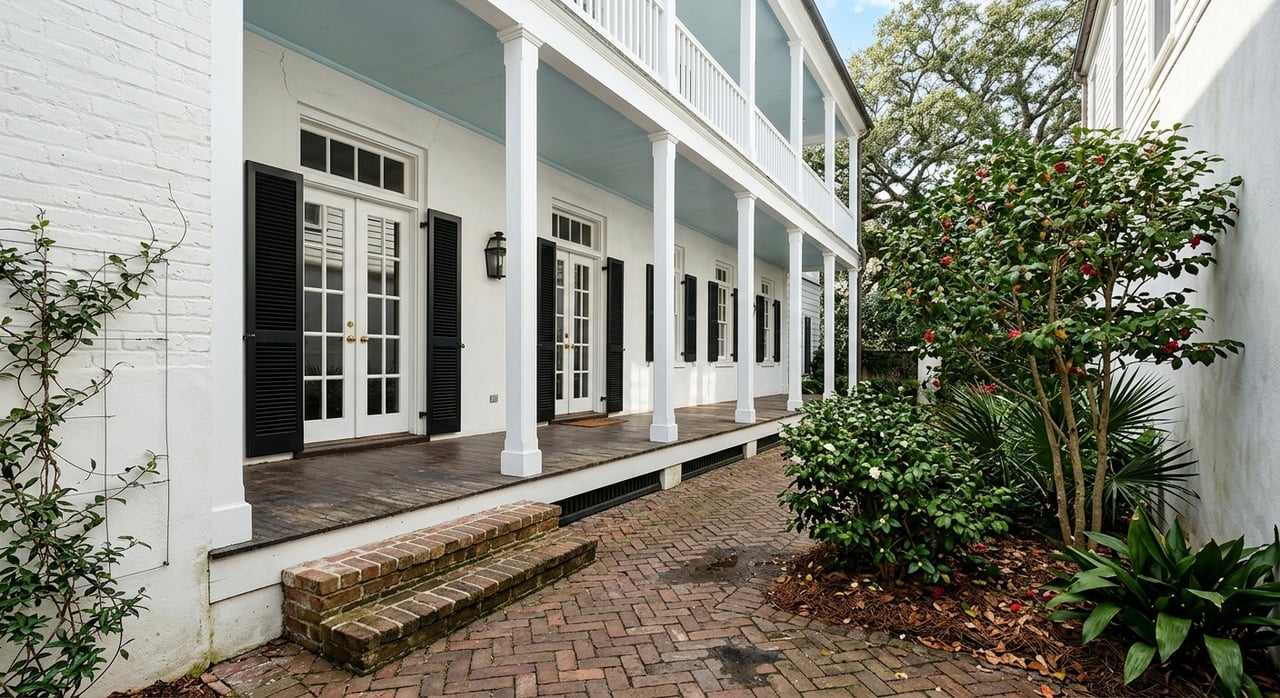
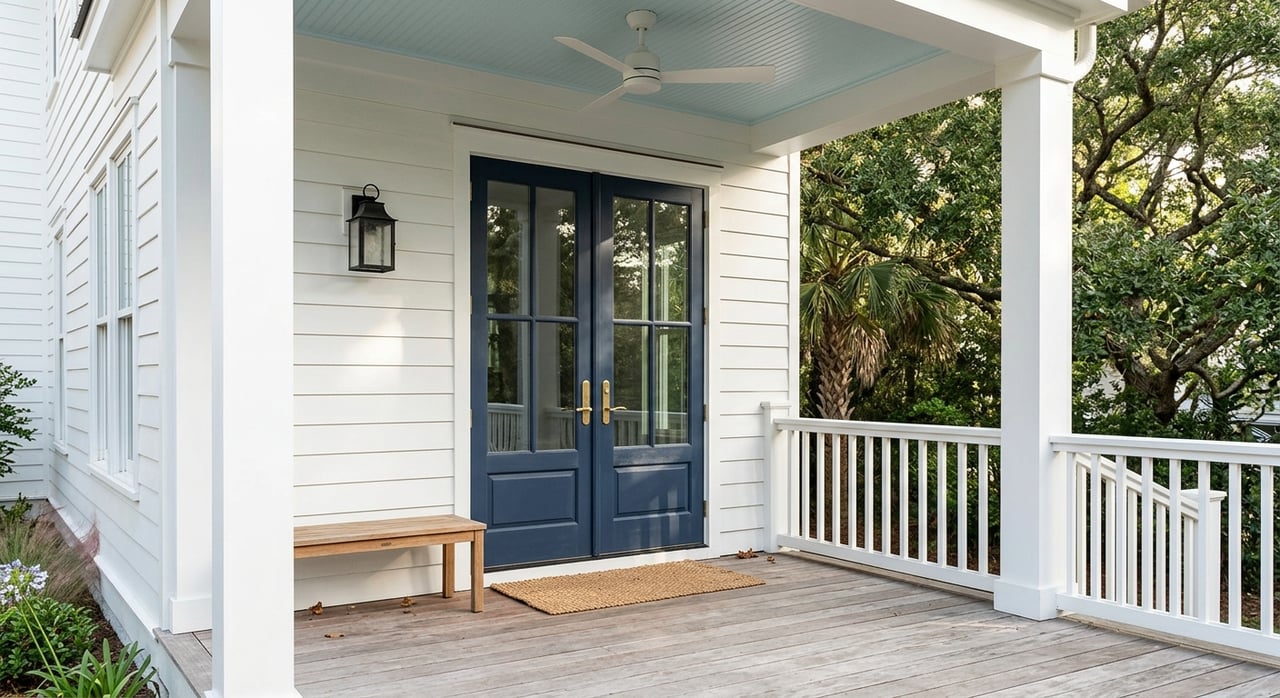
- Intact piazza or porch details
- Preserved masonry or stucco
- The visible roofline
- The home’s relationship to the streetscape
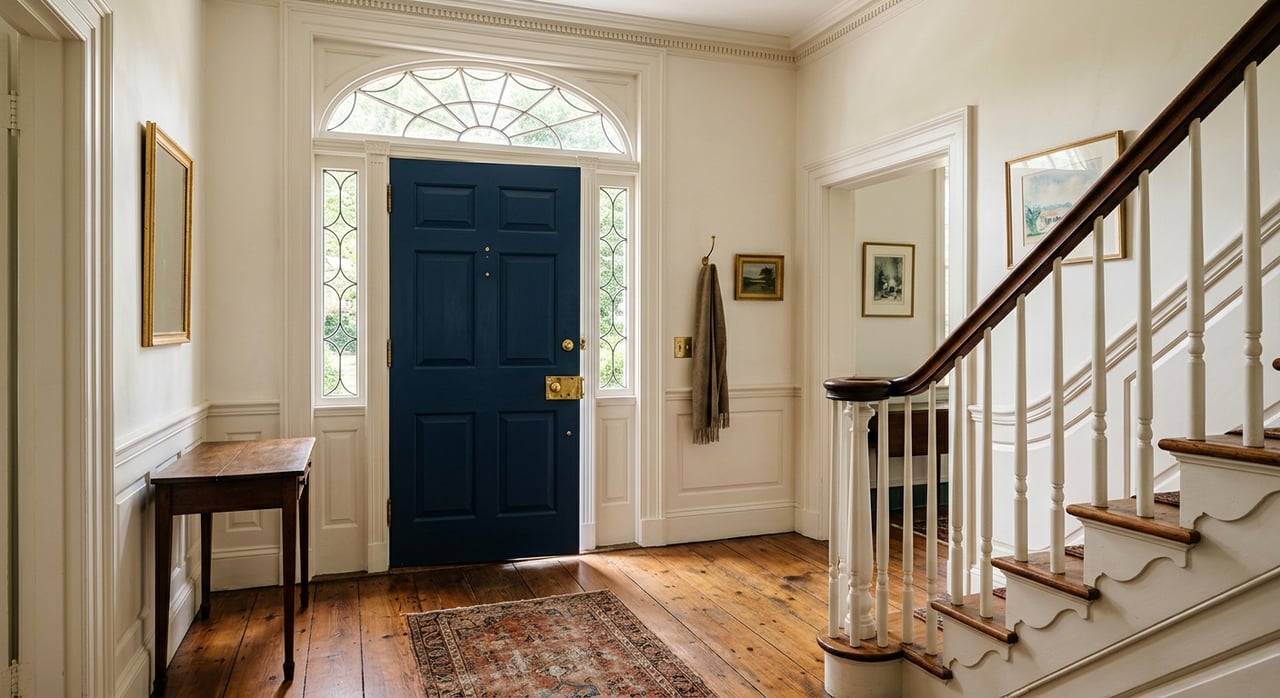
- Craftsmanship and period details that remain intact
This is where strong presentation makes a difference. Professional photography, video, and thoughtful staging guidance can help buyers see the home’s character clearly, while accurate remarks help them understand its preservation value.
Be Precise About Improvements
If work has been completed, describe it carefully. If repairs were done in kind, that is useful context. If work is still pending or approvals are unresolved, it is better to be clear than overly polished.
That kind of honesty builds trust. It also helps attract buyers who understand what they are purchasing and are better prepared for the realities of owning a historic home in Charleston.
Build a Selling Plan Before You List
Historic home sales usually go more smoothly when you build your strategy in the right order. Start with approvals and condition, then move into pricing and presentation. That sequence helps you avoid last-minute decisions that can weaken your position.
A strong pre-listing plan often includes:
- Reviewing whether any planned exterior work needs BAR or staff approval
- Confirming whether an easement or covenant affects the property
- Identifying visible condition issues buyers will notice quickly
- Pricing against comparable homes with similar condition and approval status
- Preparing marketing that showcases architecture with accuracy and detail
When those steps are handled early, you can enter the market with more confidence. You also give buyers a cleaner, more credible story.
Selling a historic Charleston home the right way is not about making it look perfect at any cost. It is about respecting the property, understanding the city’s preservation framework, and presenting the home with accuracy, care, and a smart market strategy. If you want a tailored plan for pricing, preparation, and polished listing presentation, connect with Nora Delyra for concierge-level guidance backed by deep Charleston market experience.
FAQs
What does the Board of Architectural Review do for historic Charleston homes?
- In Charleston’s historic districts, the Board of Architectural Review reviews exterior work visible from the public right-of-way and also reviews demolitions of older structures in the districts it governs.
What exterior repairs matter most when selling a historic home in Charleston?
- Buyers often focus on roofs, windows, porches or piazzas, masonry, stucco, gutters, chimneys, and visible mechanical equipment because those features affect both condition and preservation expectations.
What should sellers know about replacing windows in a historic Charleston home?
- Charleston’s guidance prefers window repair when possible and expects in-kind replacement when necessary, and it does not accept vinyl, aluminum, or simulated divided-lite replacement windows on historic residences.
How should you price a historic Charleston home before listing?
- You should compare your home to properties with similar condition, updates, and approval status rather than using only the highest renovated sales as your benchmark.
What should a listing for a historic Charleston home emphasize?
- A strong listing should highlight authentic architectural details such as original or repaired windows, porch or piazza features, preserved masonry or stucco, roofline visibility, craftsmanship, and the home’s relationship to the streetscape.