If you picture beach living as crowded resorts, packed hotel zones, and nonstop activity, Sullivan’s Island may surprise you. This barrier island near Charleston offers a quieter coastal rhythm that appeals to buyers who want the water close by without giving up a residential feel. If you are wondering what day-to-day life here is really like, this guide will walk you through the island’s character, routines, gathering spots, and seasonal tradeoffs so you can decide whether Sullivan’s Island fits your goals. Let’s dive in.
Why Sullivan’s Island Feels Different
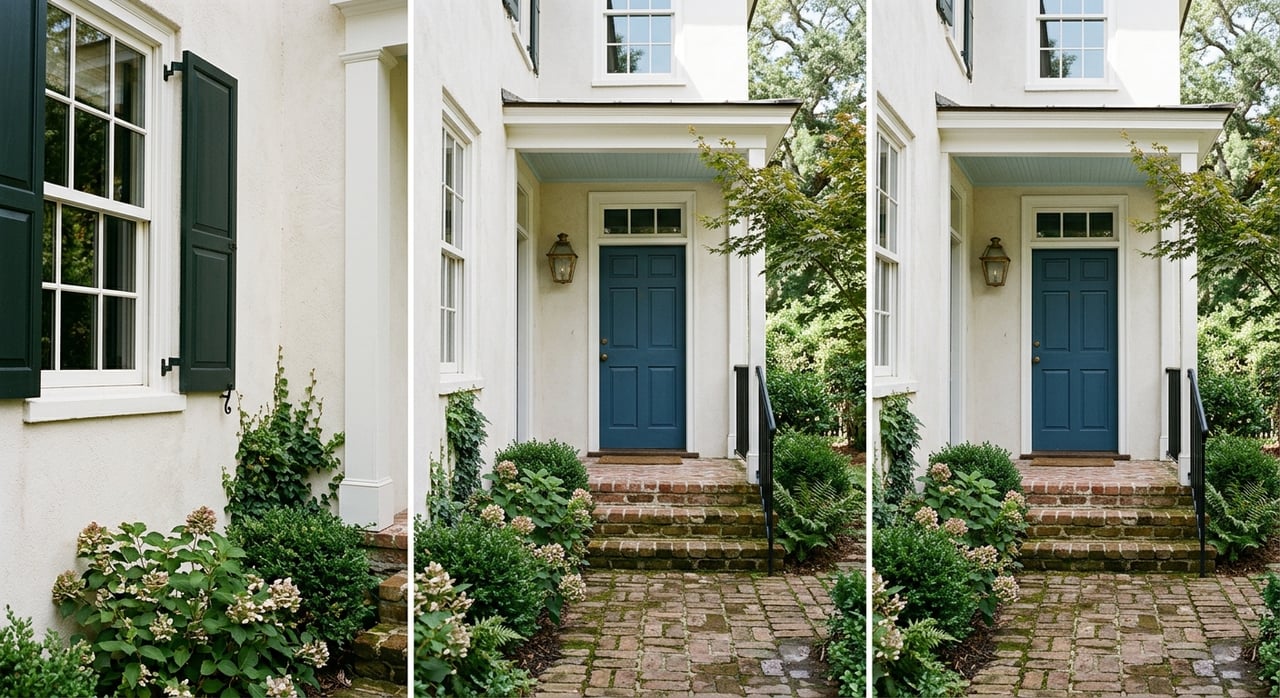
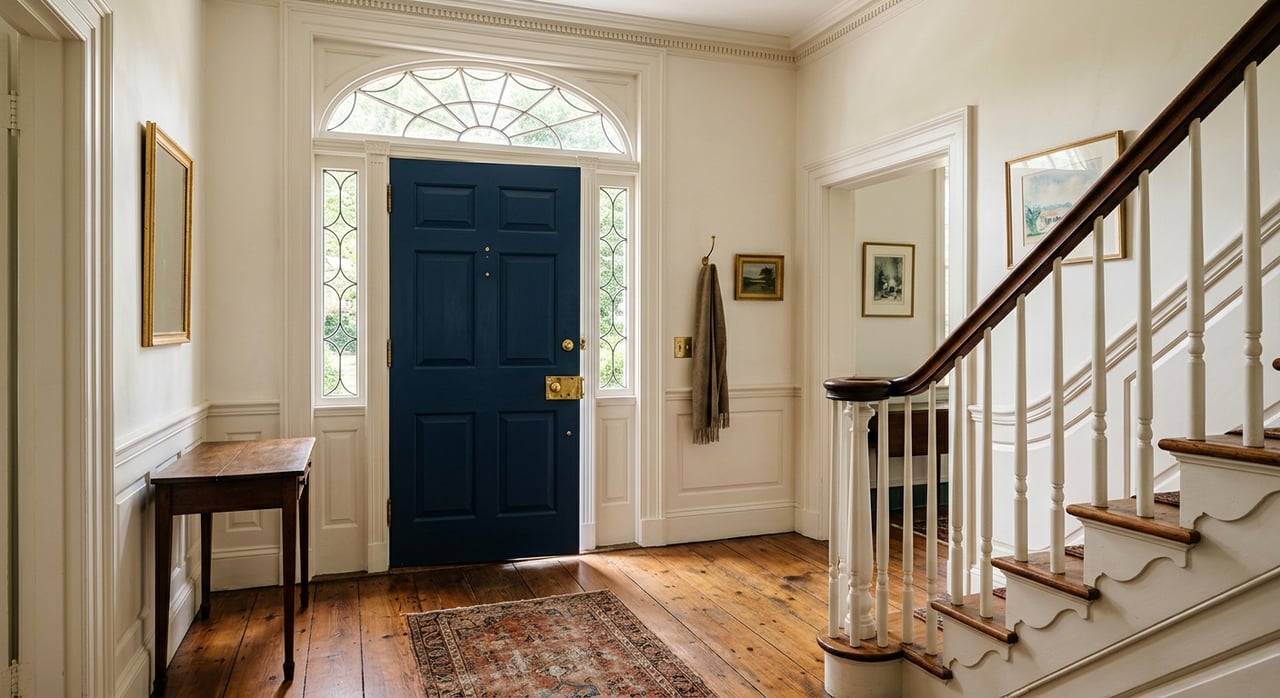
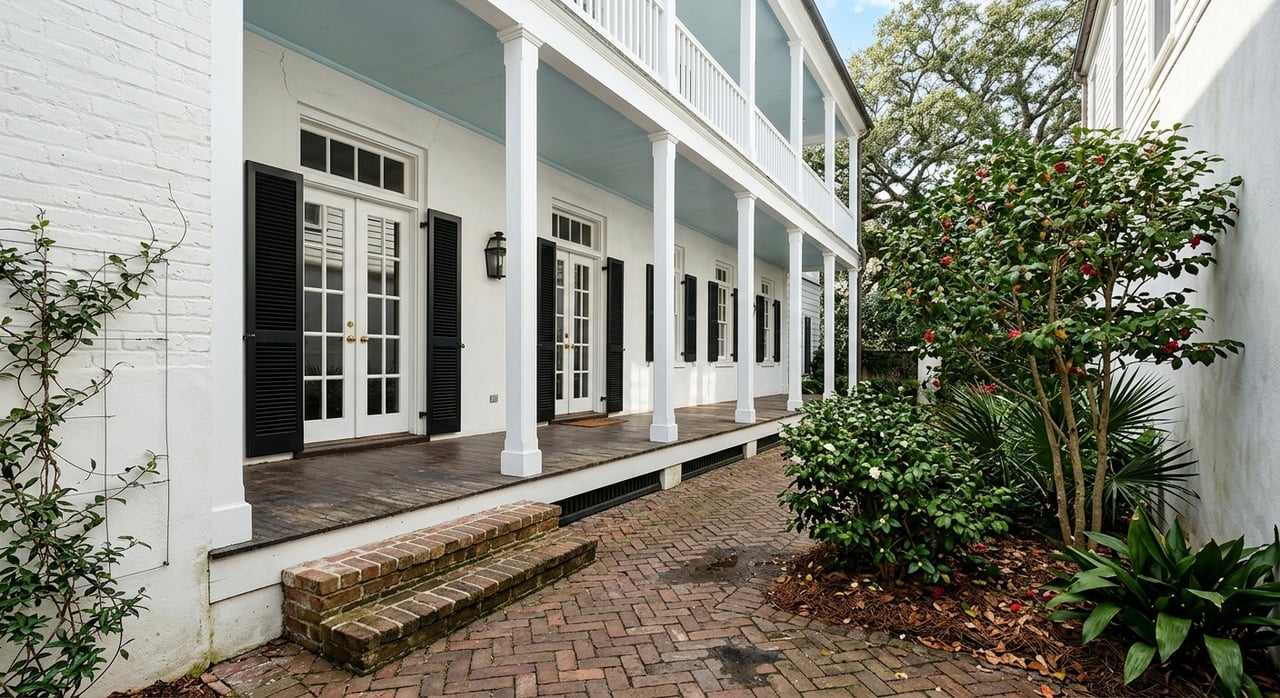
Sullivan’s Island is a 3.5-mile barrier island near Charleston Harbor with just over 2,000 residents, and the town emphasizes its small-town charm and relaxed lifestyle. Official town materials also point to a distinctive single-family residential character, which helps shape how the island looks and feels from street to street.
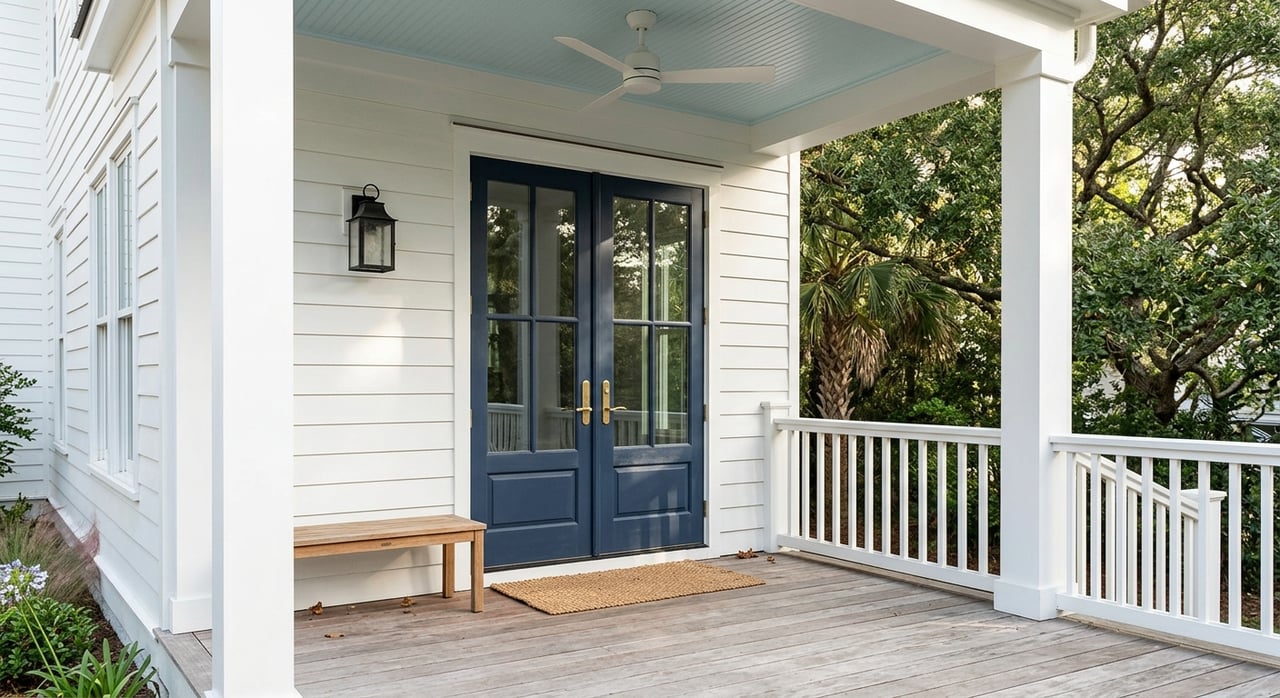
That difference becomes even clearer when you compare it with more resort-oriented beach destinations. According to Explore Charleston’s Sullivan’s Island overview, there are no hotels on Sullivan’s Island, and lodging is centered more on vacation houses than resort properties. In practical terms, that helps the island feel more like a residential coastal community than a traditional beach tourism hub.
Town planning documents reinforce that identity. Much of the island is planned around preserving its single-family residential pattern, while commercial activity stays concentrated in a smaller core. For you as a buyer, that can mean a more consistent neighborhood experience and a setting where residential life stays front and center.
Daily Life on the Island
The beach is not just a backdrop here. It is part of daily life. The town notes that Sullivan’s Island includes 3.5 miles of Atlantic beachfront, along with numerous public access paths, several ADA-accessible stations, and boardwalk or foot-path connections to the shore through its official beach information page.
If you enjoy outdoor routines, the island gives you more than beach walks. The Sullivan’s Island Nature Trail stretches 2 miles from Station 16 to Fort Moultrie and the Charleston Light, and the local parks system includes places such as Stith Park and Poe Park. Protected natural areas also add to the island’s calm, open feel.
Local movement is simple, but it comes with rules that matter if you are considering a full-time or part-time home. The town allows golf carts and low-speed vehicles under specific regulations, and its golf cart and low-speed vehicle guidance explains that golf carts are daylight-only and cannot cross the Ben Sawyer Bridge. Low-speed vehicles have somewhat broader access, so it is worth reviewing the rules if local mobility is part of your vision.
Sullivan’s Island also supports day-to-day needs in quiet ways. The town highlights basics such as its post office and an elementary school serving roughly 500 students. Together, these pieces create a lifestyle centered on short trips, beach access, outdoor time, and neighborhood routines instead of large retail districts or resort-style bustle.
Middle Street Sets the Social Rhythm
One of the most appealing parts of Sullivan’s Island is that it has a social scene without feeling dominated by nightlife. The town’s visitor materials describe the island as known for award-winning restaurants, while Explore Charleston’s dining coverage points to a restaurant cluster centered on Middle Street.
You will find a compact mix of dining and neighborhood-serving businesses rather than a sprawling commercial strip. Planning materials describe the Middle Street area as a community commercial district with restaurants, offices, small retail, and other service-oriented businesses concentrated in a limited area. That concentration helps preserve the island’s residential atmosphere while still giving you places to gather, dine, and meet friends close to home.
The result is a balanced social rhythm. You can enjoy a lively meal or casual stop on Middle Street, then return quickly to quieter residential streets and beach paths. For many buyers, that mix is exactly what makes Sullivan’s Island stand out.
Community Events Add to the Appeal
Sullivan’s Island has a community-centered feel that goes beyond restaurants and beach days. Town communications reference events and gatherings such as fish fries, Carolina Day at Fort Moultrie, golf cart parades, and holiday fireworks. That kind of calendar adds local texture without turning the island into an entertainment district.
If you are looking for a place with a recognizable local identity, this matters. Community traditions often shape how connected an area feels over time, especially for full-time residents and second-home owners who want a stronger sense of place. On Sullivan’s Island, those traditions appear rooted in town life rather than large-scale tourism.
History Shapes the Island’s Character
Sullivan’s Island is not only about the beach. It also carries a strong historical identity. The National Park Service at Fort Sumter and Fort Moultrie notes that Fort Moultrie on Sullivan’s Island marks the 1776 palmetto-log fort victory at the entrance to Charleston Harbor and the opening shots of the Civil War in 1861.
That history is part of everyday island context. Fort Moultrie sits on Middle Street, connecting present-day residential life with one of the most significant historic sites in the Charleston area. It gives the island an added layer of depth that many coastal communities simply do not have.
There is also a literary connection. Explore Charleston notes that Edgar Allan Poe was once stationed at Fort Moultrie and later used Sullivan’s Island as the setting for The Gold Bug. For buyers who appreciate places with a sense of story, Sullivan’s Island offers more than scenery alone.
Conservation Is Part of Living Here
One reason Sullivan’s Island keeps its distinctive feel is that the town places clear limits on beach and public space use. The town’s beach rules and regulations prohibit commercial activity on the beach, ban fireworks, prohibit smoking on beaches and access paths, and ban plastic bags, plastic straws, and foam products. Parking must also stay within designated right-of-way areas.
These rules may sound strict at first, but they reflect a clear commitment to environmental stewardship and preservation. If you are considering a home here, it helps to understand that the island’s quieter atmosphere is supported by active local management. In other words, the qualities people value are not accidental.
What to Know About Seasonal Traffic
The phrase “quiet coastal living” is accurate, but it needs context. The town states that Sullivan’s Island welcomes thousands of visitors each year, with visitation peaking in summer. Recent town messages also warn that spring and summer weekends can bring beach traffic, limited parking, and bridge-related delays.
That does not erase the island’s appeal. It simply means your experience may vary depending on the day and season. Weekdays and shoulder seasons may feel especially calm, while peak summer weekends can be much busier around beach access points and main routes.
For many buyers, this is an important part of setting the right expectations. Sullivan’s Island can absolutely offer a peaceful coastal lifestyle, but it is wise to view that quiet as most noticeable outside the busiest visitor windows.
Is Sullivan’s Island the Right Fit?
If you want a beach community with a residential identity, compact dining options, strong outdoor access, and a meaningful sense of local history, Sullivan’s Island deserves a close look. It offers a style of coastal living that feels more rooted and understated than many beach markets.
It may be especially appealing if you value single-family surroundings, easy access to the beach, and a setting where conservation and community traditions still shape daily life. At the same time, it is smart to factor in seasonal traffic patterns, parking limitations, and the island’s regulations before making a move.
When you are weighing a purchase on Sullivan’s Island, local guidance matters. Neighborhood feel, access patterns, and lifestyle fit can be just as important as square footage or finishes. If you are thinking about buying or selling on Sullivan’s Island or elsewhere in the Charleston area, Nora Delyra offers the kind of attentive, high-touch guidance that helps you move forward with clarity and confidence.
FAQs
What makes Sullivan’s Island feel quieter than other beach towns?
- Sullivan’s Island has no hotels, a small population, and a strong single-family residential character, which helps it feel more like a neighborhood-focused coastal community.
What is daily life like on Sullivan’s Island for full-time residents?
- Daily life often centers on beach access, short local trips, outdoor recreation, neighborhood routines, and a compact commercial area rather than large retail centers or resort activity.
What are the main dining and gathering areas on Sullivan’s Island?
- Middle Street is the island’s main commercial district, with restaurants, small retail, offices, and neighborhood-serving businesses in a compact area.
What should buyers know about Sullivan’s Island beach access?
- The town provides numerous public beach access paths, several ADA access points, and boardwalk or foot-path connections to the shoreline.
What should buyers know about seasonal traffic on Sullivan’s Island?
- Summer and spring weekends can bring heavier beach traffic, limited parking, and bridge-related delays, while weekdays and shoulder seasons may feel noticeably quieter.
What transportation rules apply to golf carts on Sullivan’s Island?
- Golf carts are allowed under town regulations, but they are limited to daylight use and cannot cross the Ben Sawyer Bridge.